
The best way to dispose of yard waste depends on what you have, how much there is, and what your local program accepts. Common options include leaving grass clippings on the lawn, composting, mulching, using curbside collection, visiting an approved drop-off site, or hiring a junk removal service.
Yard waste may include leaves, grass, weeds, branches, brush, and garden trimmings. Local rules vary, so check disposal requirements before placing yard debris in household trash or recycling.
1. Leave Grass Clippings on the Lawn
Short grass clippings can often stay where they fall. They break down naturally and return organic material to the soil.
Penn State Extension notes that grass clippings can benefit lawns when left to decompose instead of being collected.
This method works best when:
- Clippings are short and spread evenly
- The lawn is healthy
- Heavy piles are not covering the grass
2. Compost Suitable Yard Waste
Home composting works well for leaves, grass clippings, twigs, plant stalks, and other suitable organic material. The EPA recommends balancing carbon-rich materials such as dry leaves with nitrogen-rich materials such as grass clippings. Compost also needs moisture and airflow.
Avoid placing diseased plants, aggressive weeds with seeds, pet waste, treated wood, or herbicide-treated plants in a typical backyard compost pile.
3. Reuse Leaves and Trimmings as Mulch
Clean leaves and small plant trimmings can sometimes stay on the property instead of becoming waste. Leaves can be used as mulch around suitable garden areas or added to compost. This reduces the amount of material that needs to be collected and transported.
Mulching is less practical for:
- Large branches
- Heavy brush
- Diseased plants
- Large landscaping cleanups
4. Use Local Yard Waste Collection
Curbside collection can be one of the easiest options when your community offers it.
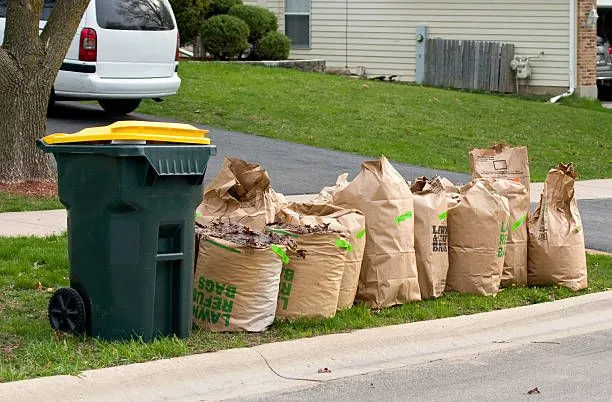
The correct way of disposing yard waste through a municipal program is to follow local rules for preparation and pickup. Requirements may include paper bags, carts, bundled branches, weight limits, or seasonal collection dates.
Before setting debris at the curb, check:
- Accepted materials
- Bag or container requirements
- Branch size limits
- Pickup dates
- Prohibited materials
5. Take Yard Waste to an Approved Facility
A local drop-off site can be useful after pruning, landscaping, seasonal cleanup, or storm debris removal. Facilities may accept leaves, branches, brush, or other plant material, but requirements vary. Check before loading your vehicle.
Keep yard debris separate from household trash, plastic, treated lumber, and construction material unless the facility specifically accepts those items.
6. Use Junk Removal for Larger Cleanups
For a large pile, the best way to get rid of yard waste may be professional hauling. How to dispose of yard waste through junk removal is simple: confirm what the service accepts, explain the size and type of debris, and arrange removal.
This option can make sense for:
- Large piles of brush or branches
- Landscaping debris
- Seasonal property cleanups
- Mixed outdoor cleanup projects
- Loads that would require several vehicle trips
It can also save you from loading, transporting, and unloading heavy material yourself.
Comparing Yard Waste Disposal Methods
Method | Best For | Main Benefit | Limitation |
Leave clippings | Routine mowing | No hauling | Only works for light clippings |
Compost | Leaves and plant debris | Creates useful compost | Needs space and upkeep |
Mulch | Leaves and small debris | Reuses material | Not for bulky waste |
Curbside pickup | Regular cleanup | Convenient | Local limits apply |
Drop-off site | Larger loads | Handles more material | Requires transportation |
Junk removal | Large cleanups | Hauling is handled for you | Accepted materials vary |
Common Yard Waste Disposal Mistakes
Don’t assume yard debris belongs in a recycling bin. Recycling and organic waste are usually handled as separate waste streams.
Other mistakes include:
- Mixing yard debris with plastic or household trash
- Composting diseased plants without checking guidance
- Ignoring local branch or bag limits
- Assuming disposal regulations are the same everywhere
For example, Massachusetts restricts leaves and yard waste from disposal under its solid waste regulations, making proper handling especially important.
Clear the Yard Without the Hauling
A large yard cleanup can quickly become hours of lifting, loading, and driving. At CC Junk Removal & Hauling, we help remove landscaping debris and other qualifying junk throughout Boston, the South Shore, and surrounding Massachusetts communities.
Whether you are dealing with brush, leaves, or debris from a larger property cleanup, we can take care of the hauling so you can get your space back. If you want to talk through what needs to go, you can give us a call and tell us what your cleanup looks like.
Frequently Asked Questions
If you have more material than your local collection program can handle, professional junk removal may be a practical option. We can help with landscaping debris and other qualifying yard cleanup material throughout Boston, the South Shore, and surrounding communities.
Tell us what you have and roughly how much there is. That helps us determine whether your yard waste fits the services we provide.
Yes. Yard debris removal and landscaping debris removal are among the services we provide.
If your cleanup includes several types of material, let us know what is in the pile. For example, a load containing branches, unwanted outdoor items, and other junk may need to be handled differently than a pile made up only of plant debris.
You do not need to start doing extra hauling before speaking with us. Explain where the debris is located and what you want removed.
We can discuss your cleanup and what is needed before service. Our goal is to make the process easier without having you do unnecessary work first.
Yes, many cleanouts involve more than one type of unwanted material. We also provide services such as furniture removal, appliance removal, garage cleanouts, basement cleanouts, and other property cleanouts.
When you contact us, describe everything you want gone so we can understand the full scope of the job rather than treating each pile as a separate problem.
Professional removal can make sense when the debris is bulky, the pile is large, or moving it would require several trips. It can also help when you simply do not want to spend your day lifting and transporting yard waste.
We handle the hauling so you can focus on enjoying the cleaner, more usable space once the debris is gone.